
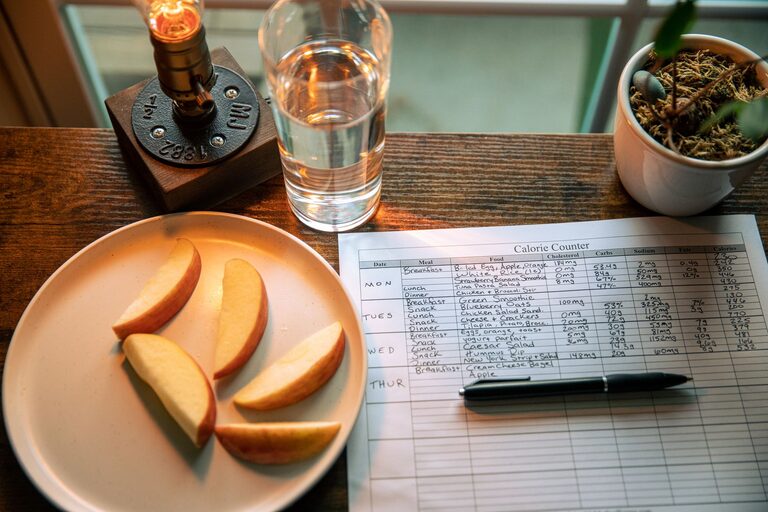
Planning balanced meals doesn’t have to be complicated or stressful. With a few simple strategies, you can create nutritious meals that fuel your body, save time, and reduce mealtime anxiety. Whether you’re preparing food for yourself, your family, or both, these practical tips will help you enjoy healthy eating without the hassle.
What Are Balanced Meals?
A balanced meal typically includes a combination of:
– Protein: Helps build and repair tissues (e.g., chicken, beans, tofu)
– Carbohydrates: Provide energy (e.g., whole grains, potatoes, vegetables)
– Healthy Fats: Support brain function and absorption of nutrients (e.g., olive oil, nuts, avocado)
– Fruits and Vegetables: Offer vitamins, minerals, and fiber
The goal is to have a variety of these components on your plate to support overall health.
Why Plan Your Meals?
Planning meals in advance can help you:
– Save money by avoiding last-minute takeout
– Reduce food waste through organized shopping
– Make healthier food choices consistently
– Manage time better, freeing up your evenings
If you’re new to meal planning, start small. You don’t have to plan every meal every day—try focusing on lunches or dinners first.
How to Plan Balanced Meals Without Stress
1. Start with a Simple Meal Template
Create a basic formula for each meal. For example:
– Half your plate with vegetables and fruit
– One-quarter with lean protein
– One-quarter with whole grains or starchy vegetables
– A small amount of healthy fats
This template helps you visualize what a balanced plate looks like and simplifies decision-making.
2. Keep a List of Go-To Ingredients
Having a curated list of ingredients you enjoy and that fit your balanced meal model can make planning easier. Include:
– Proteins: eggs, chicken, lentils, fish, tofu
– Carbs: quinoa, brown rice, sweet potatoes, whole wheat pasta
– Veggies: spinach, broccoli, bell peppers, carrots
– Fruits: apples, berries, oranges, bananas
– Healthy fats: olive oil, nuts, seeds, avocado
Rotate these ingredients to keep meals interesting.
3. Plan for Variety and Convenience
Aim to vary your meals to prevent boredom. You can plan themed days such as:
– Meatless Monday
– Taco Tuesday
– Stir-fry Wednesday
Also, plan for quick meals on busy days, like salads or grain bowls, and more involved recipes when you have extra time.
4. Use Meal Prep to Save Time
Set aside an hour or two during the weekend for meal prep. You can:
– Chop vegetables and store them in containers
– Cook proteins or grains in bulk
– Portion out snacks like nuts or hummus and cut veggies
Meal prep reduces cooking time each day and ensures you have balanced options ready.
5. Keep Portions in Mind
Balanced eating isn’t only about what you eat but also how much. Use smaller plates to help control portion sizes and listen to your body’s hunger signals. Avoid eating out of boredom or stress—focus on mindful eating.
6. Use Simple Cooking Techniques
Keep cooking methods straightforward to reduce stress:
– Roasting vegetables and proteins in the oven
– One-pot or sheet-pan meals
– Stir-frying for quick, flavorful dishes
– Slow cooker recipes for hands-off cooking
Simple methods save time and minimize cleanup.
7. Store Your Meal Plans and Recipes
Create a folder or notebook with your favorite balanced recipes and meal plans. Over time, this becomes a personalized cookbook tailored to your taste and needs. You can also use meal-planning apps or calendars to organize your week.
8. Be Flexible and Kind to Yourself
Sometimes plans don’t go as expected, and that’s okay. If you miss a meal plan or have to eat out, focus on making the best choice available rather than stressing over it. Flexibility is key to long-term success.
Sample Balanced Meal Ideas
To get you started, here are some easy balanced meal examples:
– Breakfast: Greek yogurt with mixed berries, walnuts, and a drizzle of honey
– Lunch: Quinoa salad with chickpeas, cucumbers, tomatoes, feta, and olive oil dressing
– Dinner: Grilled salmon with roasted sweet potatoes and steamed broccoli
– Snack: Apple slices with almond butter
Final Thoughts
Planning balanced meals without stress is about creating simple routines that work for you. By using a meal template, prepping ahead, and keeping your favorite ingredients handy, you reduce daily decision fatigue and enjoy nourishing food. Remember, aim for progress, not perfection.
Start small, stay consistent, and remember that healthy eating is a journey—one meal at a time.